


 Send Inquiry
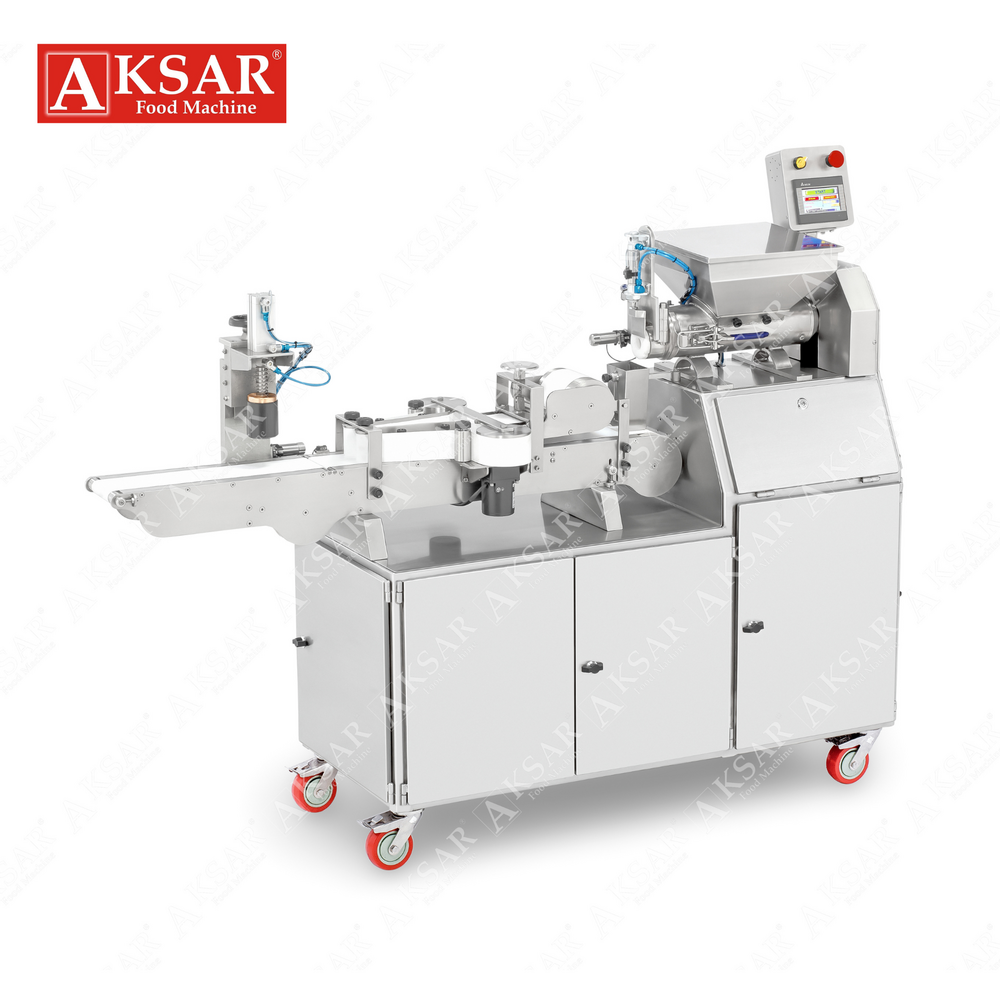
Automatic Kaju katli Sheeting and Cutting Machine
Price 700000 INR/ Unit
Automatic Kaju katli Sheeting and Cutting Machine Specification
- Power Source
- Electric
- Machine Type
- Sheeter & Cutter
- Noise Level
- Low
- Feeding System
- Manual/Auto Feeding Hopper
- Heating Method
- No Direct Heating
- Features
- Stainless Steel Food Contact Parts, Easy Cleaning, Safety Guards
- Phase
- Single/Three Phase
- Frequency
- 50-60 Hz
- Speed Mode
- Variable Speed
- Operating Temperature
- Ambient
- Automation Grade
- Automatic
- Function Type
- Sheeting and Cutting
- Product Type
- Kaju Katli Sheeting and Cutting
- General Use
- Preparation and cutting of Kaju Katli sweets
- Capacity
- 80-100 kg/hr
- Weight (kg)
- 900-1200 kg
- Product Shape
- Kaju Katli (Diamond/Cut) Sheet
- Computerized
- Yes
- Automatic
- Yes
- Voltage
- 220-240 V
- Power
- 2-3 kW
- Dimension (L*W*H)
- 2400 x 1200 x 1600 mm
- Color
- Stainless Steel/Silver
- Application
- Suitable for Kaju Katli, Burfi, and related sweets
- Output Thickness
- 1 mm to 20 mm adjustable
- Cutting Accuracy
- 1 mm
- Energy Consumption
- Low energy requirement
- Cutter Blade Material
- Hardened Stainless Steel
- Production Surface
- Non-stick
- Output Shape
- Diamond, Customizable
- Cleaning Method
- Easy disassembly for cleaning
- Mobility
- Mounted on lockable wheels
- Operation Mode
- Continuous
- Belt Material
- Food Grade PU
- Conveyor Material
- Polyurethane Conveyor Belt
- Material Thickness Adjustment
- Provided
- Lubrication System
- Self-lubricating bearings
- Safety Features
- Emergency Stop Switch, Protective Guards
Automatic Kaju katli Sheeting and Cutting Machine Trade Information
- Minimum Order Quantity
- 1 Unit
- Supply Ability
- 10 Units Per Month
- Delivery Time
- 10 Days
Automatic Kaju katli Sheeting and Cutting Machine About
Kaju katli sheeting machine is a stainless steel constructed machine that operates to create sheets of raw ingredients. These sheets can be cut into diamond shaped kaju katli. This machine has a hopper on the top, into which the raw ingredients are fed. The ingredients are rolled by three rollers into kaju katli sheets. This sweet making machine is constructed making use of stainless steel. This electrically operated machine is energy efficient and operates at high speed. The kaju katli sheets of uniform size and thickness are made by this machine.
Product details
- Type: Automatic
- Capacity: 250kg Per Hour
- Cutting Size: Any Size & Any Angle
- Material: Stainless Steel
- Model Name/Number: AFM-KKC
- Automation Grade: Automatic
- Usage/Application: Industrial
Technical Details 
Precision and Efficiency in Sweet Preparation
Achieve unparalleled consistency for Kaju Katli, Burfi, and other sweets with this automatic sheeting and cutting machine. Thanks to its adjustable thickness (1 mm - 20 mm) and cutting accuracy (1 mm), every piece meets your quality specifications. The food-grade PU conveyor and hardened stainless steel cutter blade ensure hygienic and efficient operation, while features like self-lubricating bearings and low energy requirements make continuous production seamless.
User-Friendly Operation and Maintenance
Designed for simplicity, the machine features a PLC control panel, easy-to-use manual or auto feeding, and convenient maintenance with easy disassembly for cleaning. Integrated safety elements including emergency stop switches and protective guards ensure a safe working environment, while its mobile structure with lockable wheels enhances flexibility on the factory floor.
Adaptable and Hygienic Performance
Made of 304 food-grade stainless steel, this unit is built for hygienic production and easy cleaning. The non-stick production surface minimizes residue build-up, ensuring that each batch is safe, fresh, and precisely formed. Its customizable output shape and adjustable belt speed cater to varying production needs, allowing efficient adaptation as demands change.
FAQ's of Automatic Kaju katli Sheeting and Cutting Machine:
Q: How does the adjustable thickness feature work on this Kaju Katli machine?
A: The machine allows operators to set the output thickness anywhere from 1 mm to 20 mm using a straightforward adjustment mechanism, enabling customization according to recipe or preference without compromising accuracy, which is maintained at 1 mm.Q: What safety features are incorporated in the machine's design?
A: Safety is prioritized through an emergency stop switch, robust protective guards on moving parts, and a well-designed PLC control panel, ensuring safe operation and quick shutdown in case of emergencies.Q: When and where is cleaning required, and how is it performed?
A: Cleaning should be performed at the end of each production cycle or shift. The machine is designed for easy disassembly of food contact parts, allowing thorough cleaning without tools to maintain strict hygiene standards.Q: Which sweets can be processed using this machine?
A: The primary application is for Kaju Katli and diamond-shaped Burfi, but it is well-suited for a variety of related Indian sweets requiring sheeting and precision cutting.Q: What are the operational and energy benefits of using this machine?
A: With low energy consumption (2-3 kW) and a continuous operation mode, the machine minimizes downtime and operational costs, while its self-lubricating bearings and stainless steel construction reduce the need for frequent maintenance.Q: How does the feeding system support different production needs?
A: The system supports both manual and automatic feeding via a hopper, offering flexibility for different batch sizes and production rates. This allows seamless integration into various production scales.Q: What is the process flow from raw material to finished product?
A: Food mixtures are fed manually or through the hopper, sheeted to the desired thickness, conveyed on a PU belt, precisely cut by hardened stainless steel blades into diamond shapes, and then collected at the machine's end for packaging or further processing.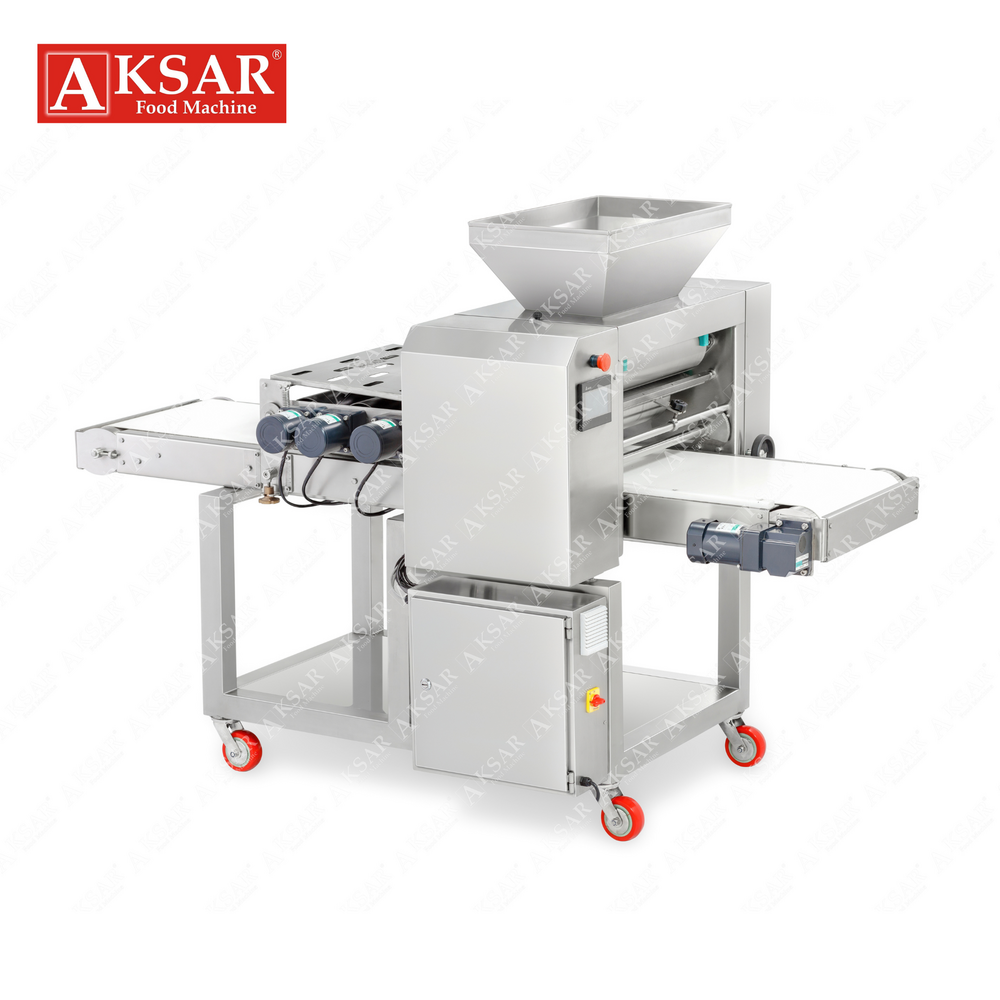

Price:
- 50
- 100
- 200
- 250
- 500
- 1000+

More Products in Sweet Making Machine Category
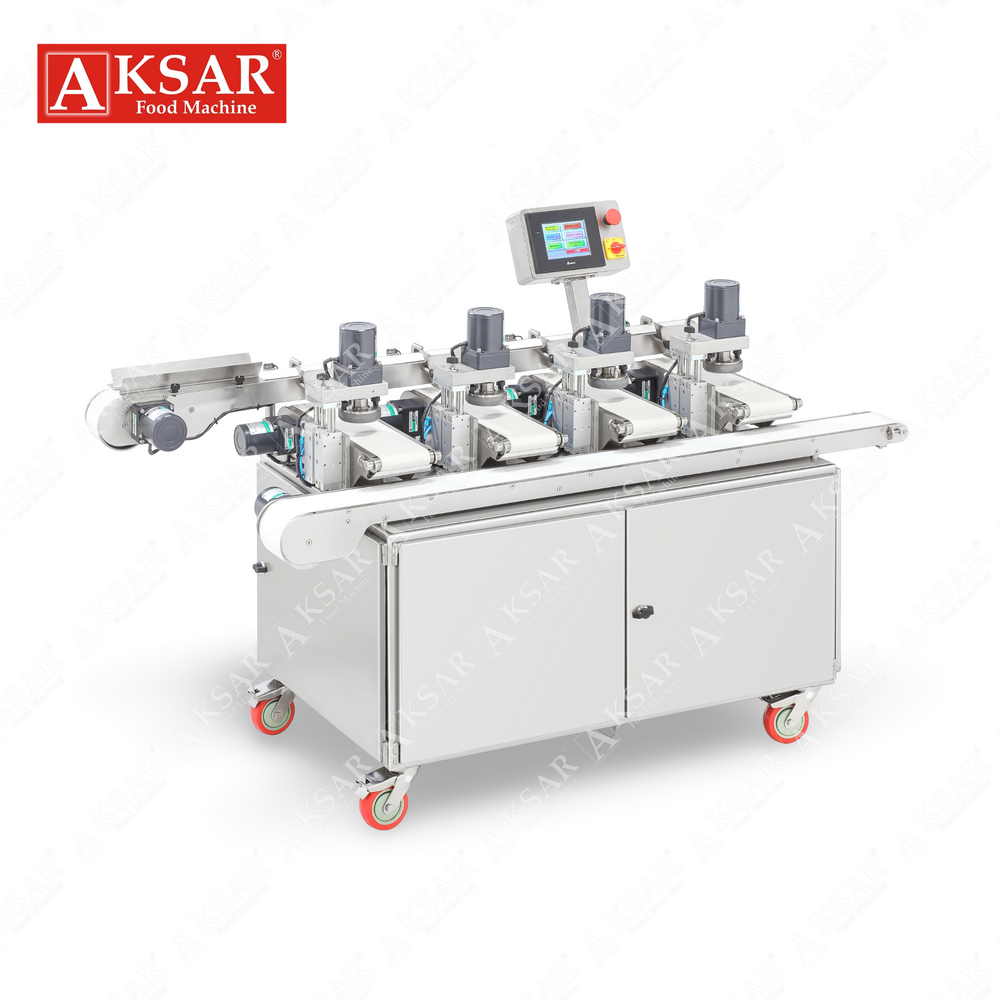
Automatic Rasmalai Making Machine
Price 1000000 INR / Piece
Minimum Order Quantity : 1 Piece
General Use : Commercial Sweets Manufacturing
Computerized : Yes
Color : Other, Stainless Steel Finish
Control System : PLC Control
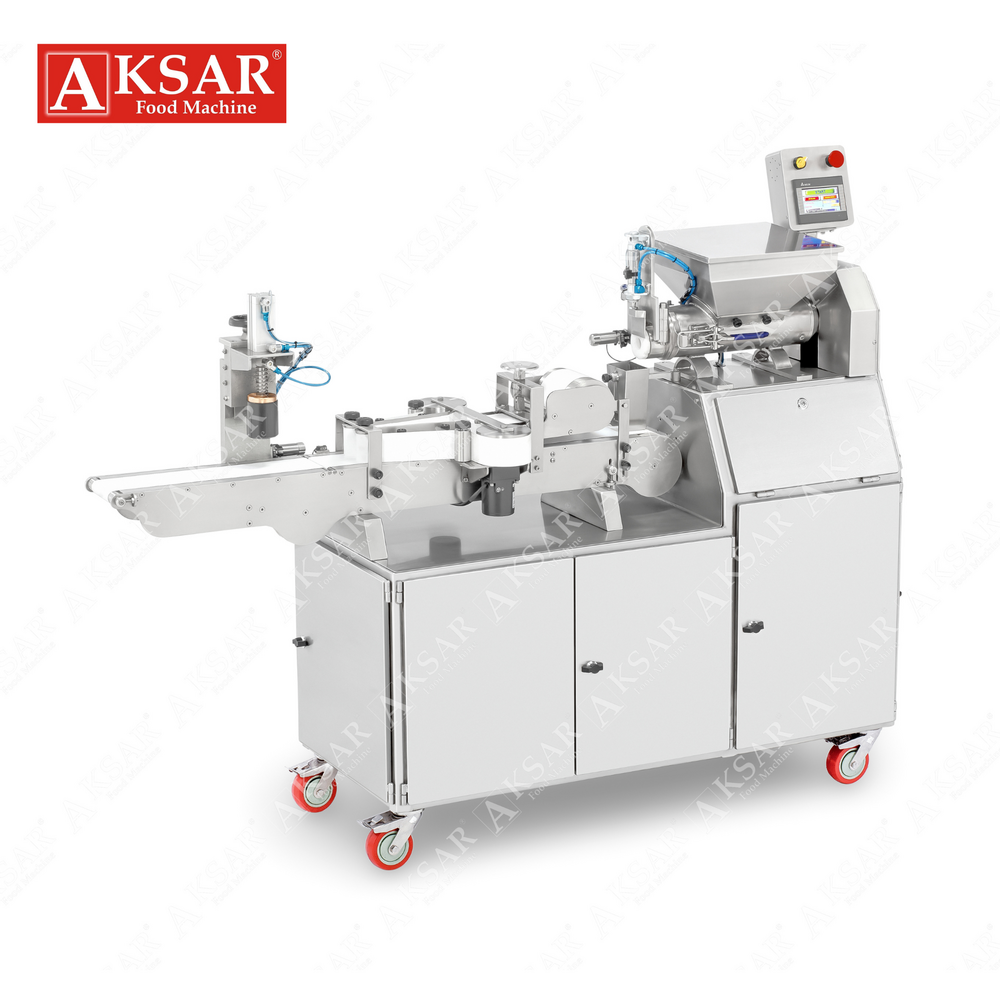
Automatic Peda Designing Machine
Price 625000 INR / Piece
Minimum Order Quantity : 1 Piece
General Use : Peda Shaping and Designing
Computerized : Yes
Color : Other, Silver
Control System : PLC Control
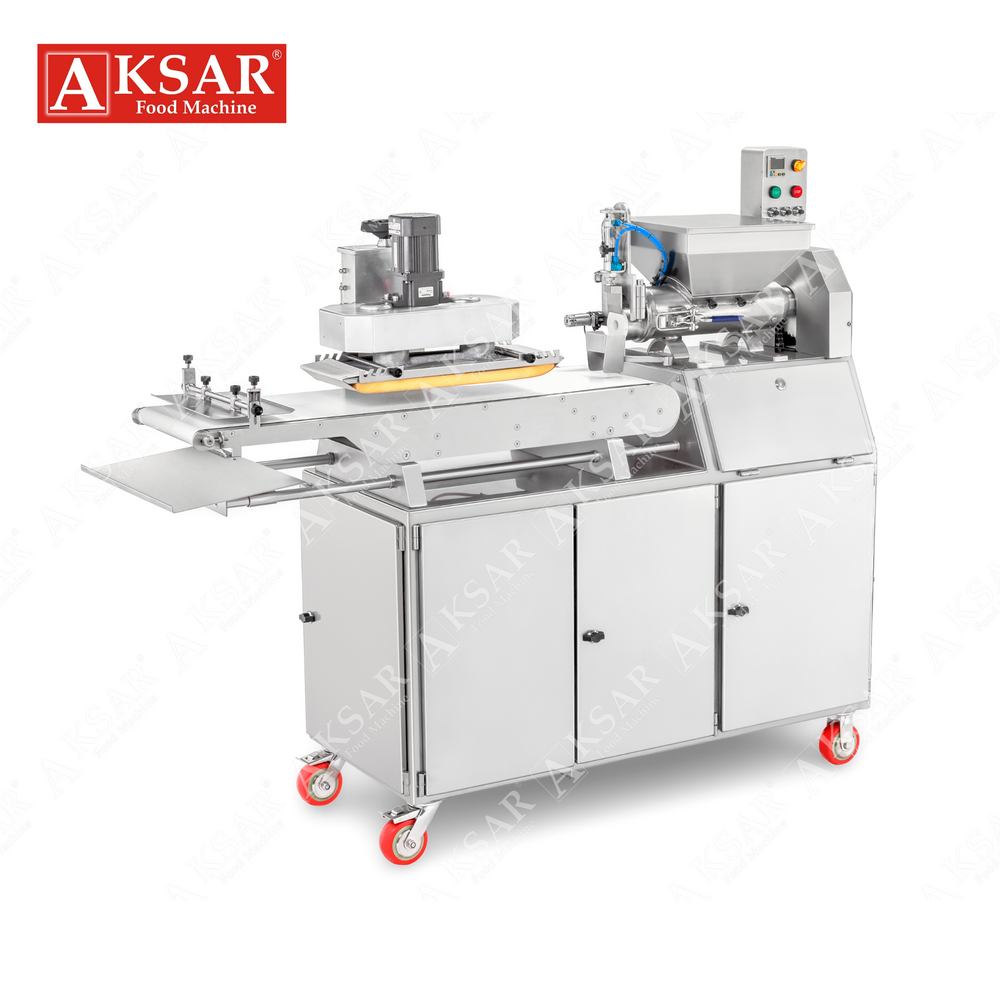
Rasmalai Making Machine
Price 410000 INR / Piece
Minimum Order Quantity : 1 Piece
General Use : Commercial Dairy, Sweets Production
Computerized : Yes
Color : Other, Silver
Control System : PLC Control
Peda Forming Machine
Price 625000 INR / Piece
Minimum Order Quantity : 1 Piece
General Use : For shaping and forming Pedas in sweet manufacturing units
Computerized : Yes
Color : Other, Silver
Control System : PLC Control


- 175 to 180, G.I.D.C. Estate, Phase-II, B/h Servo Petrol Pump, Ambawadi, Wadhwan,Surendranagar - 363035, Gujarat, India
- Phone : 08045814059
GST : 24ABFFA6565L1Z6

- Mr Rajesh N. Vadgama (CEO)
- Mobile : 08045814059
- Send Inquiry
- Phone No.: +91 2752 243978, 243979
Working Days Sunday to Friday (Saturday Off)
 Send Inquiry
|


Developed and Managed by Infocom Network Private Limited.


